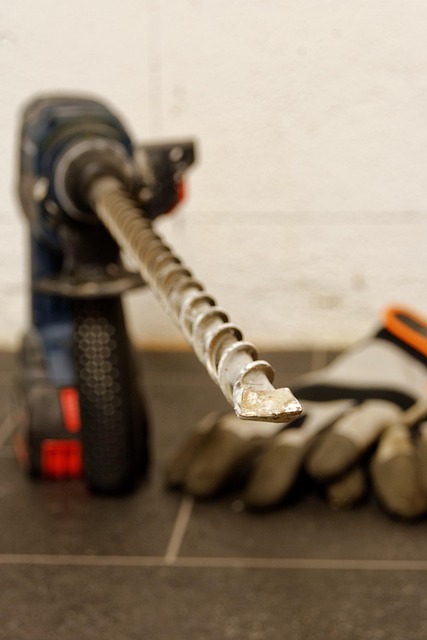
Know what to wear, when to replace it, and how to keep it ready for daily tasks.
Simple checks before you start, safer handling during use, and shutdown steps after.
Always follow site rules and manufacturer instructions. If you do not have training for a tool or task, do not proceed without competent supervision.
Core safety mindset
Safety is not a single step. It is a set of everyday decisions that reduce avoidable risk.
Beginner safety starts with recognising what you are about to do, what could go wrong, and what controls are already in place. On real sites, hazards often come from routine tasks that feel familiar: drilling overhead, cutting insulation, carrying boards through tight areas, or working near openings. Before touching a tool, take a short pause and check the work area, your footing, your line of travel, and the people working around you. If a task involves height, electricity, hot works, or lifting, the correct permits, supervision, and training may be required.
DublinPulse content supports safe habits by explaining what to look for, what questions to ask, and how to prepare your equipment. We also highlight situations where a competent person must be involved, such as selecting fixings for critical loads, assessing substrate condition, or verifying fire-stopping details. You will never be asked to rely on a single checklist as a substitute for site rules or professional judgment. Instead, the aim is to help you understand the language and the reasons behind the controls, so you can work more confidently within a supervised environment.
Practical safety topics
Focus areas you can revisit before specific tasks. These are educational guides intended to complement training and supervision.
PPE selection and fit
Learn what PPE is designed to protect against and why fit and condition matters. Includes reminders for eye protection, hearing, gloves, and dust control.
Cables, power, and checks
Simple routines for leads, plugs, battery tools, and keeping power setups tidy. Highlights trip hazards and overheating risks.
Cutting and drilling awareness
Understand kickback basics, stable workholding, dust capture, and safe body position. Includes prompts for checking what is behind the work surface.
Installation checks
Practical quality and safety checks: correct fixings, clean substrates, compatible materials, and sensible sequencing before closing up work.
Beginner tool-handling routine
A simple, repeatable approach you can apply to many hand and power tools. Always adapt to the tool manual and site rules.
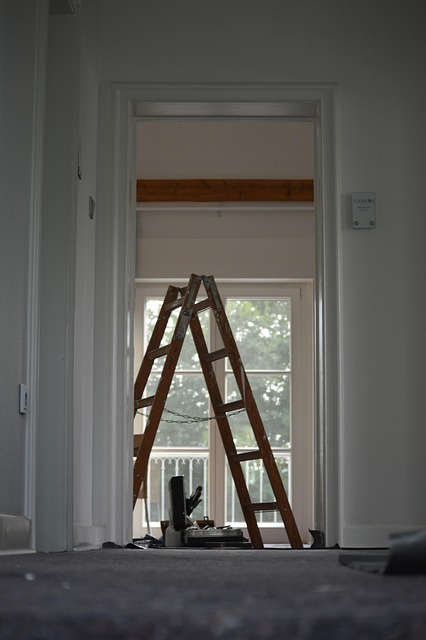
If you are not trained on a particular tool, do not use it. Ask for instruction and supervision, and practice on safe materials before working on a live element.
-
1
Prepare the area
Clear the immediate work zone, plan where offcuts and debris will go, and check for trip hazards. Confirm the task and the sequence so you are not forced to rush or improvise mid-step.
-
2
Check the tool and accessories
Look for damage, missing guards, worn discs, blunt bits, or loose batteries. Use accessories that match the tool and the material. If something looks wrong, stop and report it.
-
3
Control dust, noise, and line of fire
Position yourself so you can keep balance and avoid awkward reaches. Consider dust extraction, hearing protection, and where fragments could travel. Never point the tool toward your body.
-
4
Finish and reset
Power down safely, allow moving parts to stop, and store tools properly. Clean the area, manage waste, and confirm the work is safe for the next trade to approach.
A note on fixings and fastening
Fixings are safety-critical in many assemblies. Substrate condition, edge distances, hole cleaning, torque, and compatibility can affect performance. If you are unsure which fixing is specified, or whether the substrate is suitable, stop and ask a competent person. For cladding and façade concepts, see the beginner explanations on our Façade & Cladding page.
Safety disclaimer
DublinPulse provides educational content only and does not replace site-specific risk assessments, manufacturer instructions, competent supervision, or professional advice. Construction tasks involve hazards, including injury and property damage. Always follow Irish regulations, site rules, and the guidance of qualified supervisors. If a task requires permits, certification, or specialist design input, do not proceed without the appropriate approvals and expertise.
Need structured learning?
Ask about beginner sessions focused on safe routines, terminology, and practical checks.